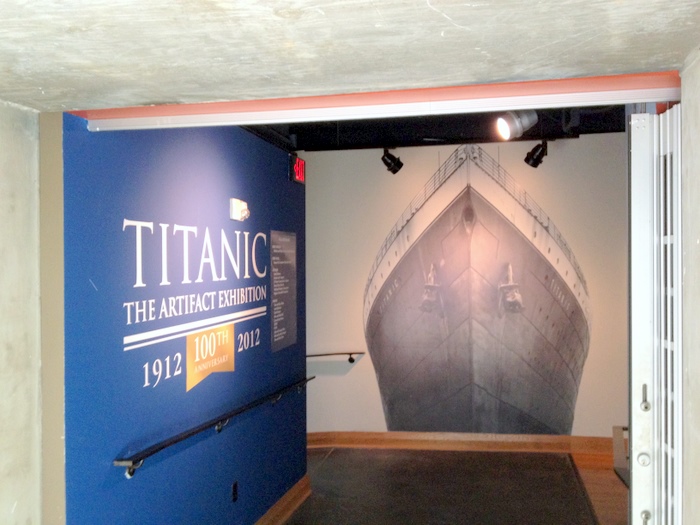
The fact that we are sailing on a cruise ship next week near the Bermuda Triangle did not dampen our interest or enthusiasm for visiting the Titanic Exhibition at Kansas City’s Union Station with our friend Michael.
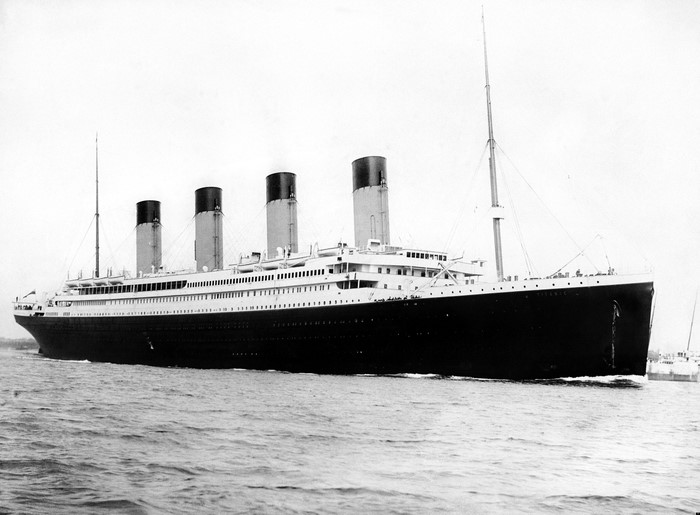
On April 10, 1912 the RMS Titanic – the world’s largest ship afloat – set sail from Southampton, England on its maiden voyage. The Titanic stopped for port calls at Cherbourg, France and the port now known as Cobh, Ireland before heading to New York City.
Four days into the transatlantic crossing, the Titanic collided with an iceberg, ripping a gash in its hull. The ship was carrying 2,228 passengers and crew but had lifeboat capacity for only 1,178 people.
Less than 32 percent of those aboard survived.
The Titanic wreck remains on the seabed at a depth of more than 12,000 feet. It was undisturbed until is discovery in 1985, since which thousands of artifacts have been recovered and are displayed in museums and exhibits.
Titanic, The Artifact Exhibition commemorates maritime disaster’s 100th Anniversary
More than 300 artifacts recovered from the ocean bed are on display at Kansas City’s Union Station through September 3, 2012. Visitors first pass through an “outer” part of the exhibit that provides a glimpse of Kansas City life 1912.
Upon entering the Titanic, each visitor is given a boarding card which provides details one of the actual passengers. At the end of the exhibit, one learns the fate of their “person.”
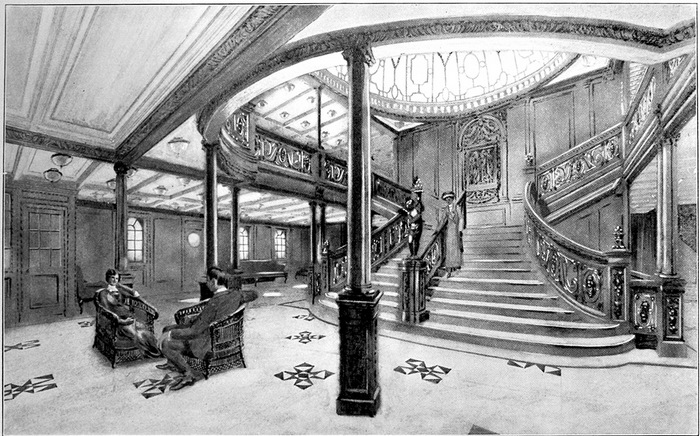
The Passenger Ship 100 Years Earlier
As regular cruise ship travelers, we were surprised at the many similarities of onboard between 100 years ago and a classic-appointed cruise ship today. The Titanic offered a gym, a swimming pool, a library, a dining room diagram similar to today.
Surprisingly, the White Star Line was not all-inclusive in its fares, even for the most expensive first class accommodations. First class guests still had to pay a surcharge, for example, to use the gym.
A Class Society
Today, outside of a few exceptions, all passengers on a cruise ship today are treated equally, regardless of the price of their stateroom, in regard to use of the ship’s facilities and dining.
As the exhibition clearly depicts — life onboard the Titanic in 1912 was significantly more stratified by the class of one’s ticket. A reproduction of luxurious first class stateroom is in stark contrast to the four bunk beds the third class accommodations. Only first class guests got to use the first-class amenities, while second class passengers had separate, but less glamorous amenities.
The Iceberg
The most chilling part of the exhibit — literarily — is when you touch the piece of ice flow, complete with hand prints of those desperately trying to hold on, and avoid sucoming to hypothermia in the frigid waters. The real ice keeps this part of the exhibit chilling cold as you can easily image.
Artifacts from the ship range from postcards and satchels to remnants of tools carried by skilled labors hoping for a better life in the that they were taking to make a life in the new world.
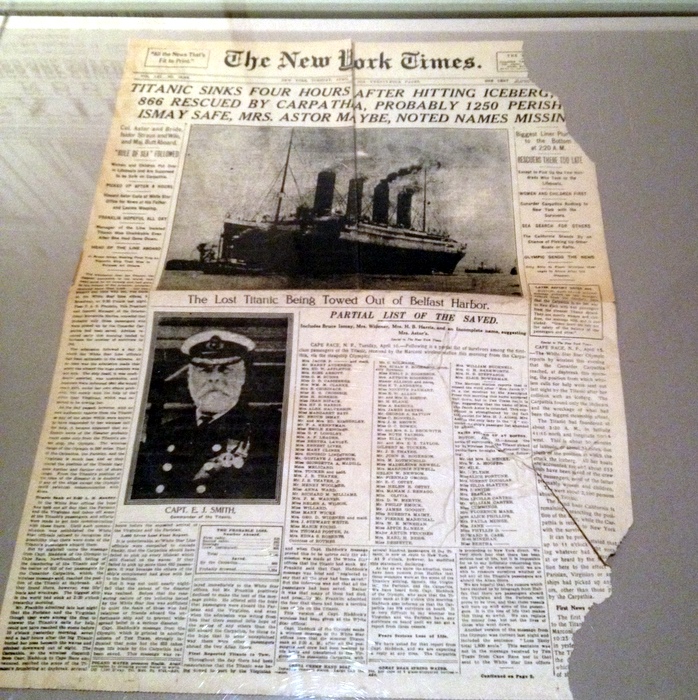
This copy of the New York Times offers a glimpse of the public shock in 1912.
A Photo Souvenir
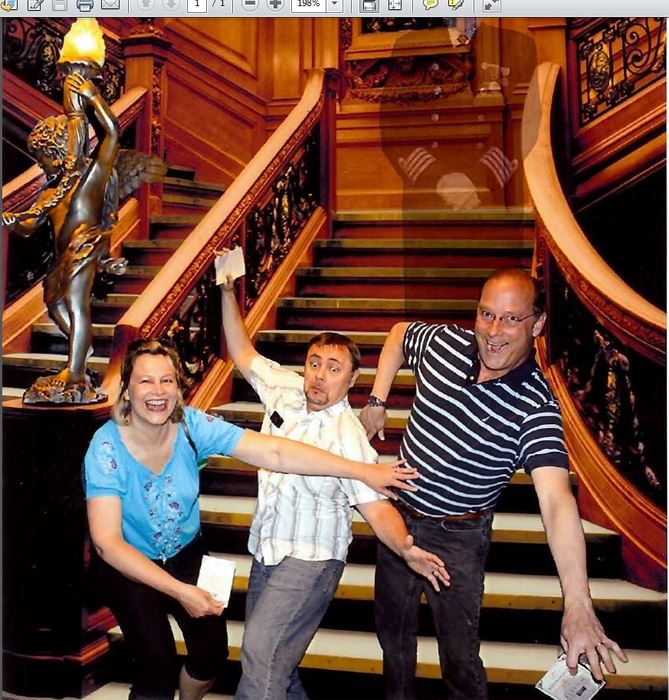
Being a commercial exhibit, there is a gift shop and a “mandatory” photo op where your photo is shot on a green screen, and then superimposed on the background of the elegant stairway. We agreed to pose but thought a light-hearted photo was in order given the somber mood.
Titanic Exhibit Runs through September 3
Titanic, The Artifact Exhibition runs through September 3, 2012, Located on the bottom level of Union Station, 30 West Pershing in Kansas City, Missouri, the Exhibit is open Tuesday through Sunday. Entrance fee for adults is $22. Allow one and a half to two hours to view the exhibit.
Have you been to this Titanic exhibit or a different one? What was your impression?
Some other cruise-related posts: